
 By
Introduction: What the Lok Sabha Secretariat Clarification Means
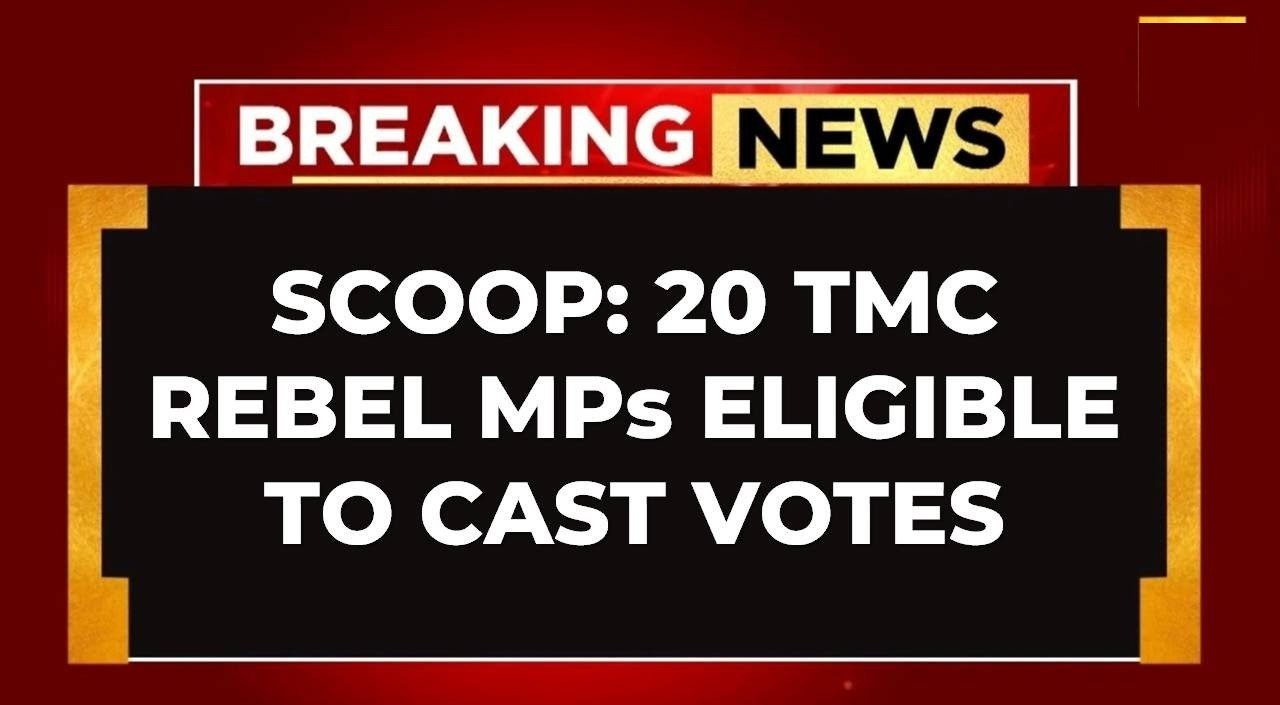
The voting rights of 20 rebel Trinamool Congress (TMC) Members of Parliament have become a major focus of political attention ahead of the upcoming special session of Parliament. According to reports citing sources within the Lok Sabha Secretariat, these MPs cannot be prevented from participating in parliamentary proceedings or casting their votes unless they are formally disqualified.
The clarification comes amid an ongoing dispute over the legal status of the lawmakers, who left the TMC and announced their merger with the Nationalist Citizens Party of India (NCPI). The party led by Mamata Banerjee has sought their disqualification under the anti-defection law, but the petitions remain pending before Lok Sabha Speaker Om Birla.
The issue has gained importance because the government is expected to seek a two-thirds majority to pass a Constitution amendment connected with the proposed delimitation exercise and women’s reservation legislation.
With 20 MPs potentially able to vote, their participation could influence the numbers in the Lok Sabha.
Rebel TMC MPs Retain Voting Rights, Sources Say
According to reports citing Lok Sabha Secretariat sources, the 20 rebel TMC MPs continue to enjoy parliamentary rights because no final order disqualifying them has been issued.
The sources reportedly clarified that the mere filing or pendency of a disqualification petition does not automatically suspend an MP’s membership or voting rights.
Until the Speaker makes a decision, the MPs remain entitled to participate in House proceedings, take part in debates and cast their votes.
This clarification addresses a question repeatedly raised by the TMC and Congress: whether the rebel lawmakers should be permitted to vote on a crucial Constitution amendment while their legal status remains under consideration.
The reported position is that their parliamentary rights cannot be curtailed solely because disqualification proceedings are pending.
Why the Voting Rights of 20 Rebel MPs Matter
The issue is not limited to the political dispute between the TMC and its former members. It has direct implications for the government’s legislative strategy.
A Constitution amendment requires a special majority in Parliament. In the Lok Sabha, this generally means:
- A majority of the total membership of the House.
- At least two-thirds of the members present and voting.
The exact number required depends on the House’s effective membership and how many members are present and vote.
The government’s ability to secure the required support could therefore depend on the position taken by several parties and groups, including the 20 rebel TMC MPs.
If these lawmakers participate and vote in favour of the proposed legislation, they could help strengthen the government’s numbers. However, their votes alone would not guarantee passage of the amendment.
TMC’s Disqualification Petitions Remain Pending
The 20 lawmakers left the TMC in June and announced that they had joined the Nationalist Citizens Party of India. They also extended support to the ruling National Democratic Alliance (NDA).
Following their departure, TMC leader in the Lok Sabha Abhishek Banerjee approached the Speaker seeking their disqualification under the anti-defection law.
The petitions have remained unresolved for several months.
The rebel MPs have submitted their replies defending their decision to leave the party. The Speaker must now examine the petitions and the responses before reaching a decision.
The TMC has questioned the delay and argued that the disqualification issue should have been resolved before the special session.
However, until the Speaker issues a formal order, the MPs continue to hold their seats and retain their parliamentary rights, according to the reported clarification.
What the Anti-Defection Law Says
The anti-defection law is contained in the Tenth Schedule of the Constitution.
It provides a framework for disqualifying legislators who voluntarily give up membership of their political party or vote or abstain from voting contrary to party directions, subject to the provisions and exceptions in the law.
The Speaker or Chairman of the relevant House decides disqualification petitions.
In the present case, the central question is whether the 20 MPs’ departure from the TMC and their claimed merger with the NCPI are protected under the provisions of the Tenth Schedule.
The rebel lawmakers maintain that their move was legally valid. The TMC has challenged their position and sought their disqualification.
The matter remains subject to the Speaker’s decision and any subsequent judicial review.
Can the MPs Vote Even While Their Disqualification Case Is Pending?
The reported clarification indicates that the answer is yes.
A pending disqualification petition does not, by itself, remove an MP’s right to vote. The lawmakers continue to be members of the House until a formal disqualification order is passed.
This distinction is important because a petition and a final decision are not the same thing.
The Speaker is responsible for deciding the petitions, but the existence of those proceedings does not automatically suspend the MPs’ parliamentary privileges.
Therefore, unless the Speaker disqualifies the 20 lawmakers before the relevant vote, they are expected to be able to participate in the special session.
What Happens If the Speaker Disqualifies Them Later?
Another question raised in the political debate is whether votes cast by the rebel MPs would become invalid if they were disqualified after the parliamentary vote.
The timing of the Speaker’s decision is therefore important.
The legal position discussed in reports indicates that disqualification proceedings do not automatically invalidate parliamentary participation while the members continue to hold their seats.
A later decision would have to be examined in accordance with the applicable constitutional provisions and judicial precedents. It should not be assumed that a vote becomes automatically invalid simply because a disqualification petition was pending at the time.
The Speaker’s order and any court ruling would determine the legal consequences in the specific circumstances.
TMC and Congress Question the Delay
The TMC and Congress have repeatedly raised concerns about the unresolved status of the 20 MPs.
Their argument is that the disqualification petitions have been pending for months and that the Speaker should have taken a decision before the lawmakers were allowed to participate in an important parliamentary vote.
TMC leaders have questioned whether the delay could affect the outcome of the proposed legislation.
The party’s position is that the disqualification issue should be settled without further delay.
However, the reported clarification from Lok Sabha Secretariat sources suggests that parliamentary rights remain intact until a formal decision is made.
Rebel MPs’ Merger With NCPI Remains a Key Issue
The dispute also involves the claim that the rebel MPs have merged with the Nationalist Citizens Party of India.
Under the Tenth Schedule, a merger-related exemption may apply in certain circumstances, including where the required number of members of a legislature party agree to the merger.
Whether the rebels satisfy the legal requirements is one of the issues that must be examined in the disqualification proceedings.
The Speaker’s decision will be significant in determining whether the lawmakers can continue as members without facing disqualification under the anti-defection law.
Until that decision is announced, the political and legal dispute remains unresolved.
Special Parliament Session: Delimitation Bill in Focus
The special session of Parliament is scheduled to begin on November 30.
The government is expected to pursue legislation linked to delimitation and the implementation of women’s reservation. The proposed constitutional changes require support beyond a simple majority.
This has made the voting position of several political parties and individual MPs particularly important.
The 20 rebel TMC MPs are among the groups being closely watched because they have announced support for the NDA after leaving the TMC.
Their voting rights could therefore become a significant factor in the government’s effort to secure the required numbers.
What to Watch Before the Parliamentary Vote
Several developments could shape the final outcome:
- The Speaker’s decision: Whether Om Birla issues an order on the disqualification petitions before the relevant vote.
- The rebel MPs’ voting position: Whether all 20 lawmakers attend and support the government’s proposed legislation.
- Opposition strategy: Whether opposition parties participate in the vote, abstain or stage a walkout.
- The final bill: The contents of the proposed delimitation and women’s reservation legislation.
- The numbers in the House: The total membership, attendance and number of members voting will determine the two-thirds threshold.
The reported clarification provides an important indication of the MPs’ current status, but the final parliamentary arithmetic will depend on events during the session.
Conclusion: Rebel TMC MPs Expected to Vote Unless Disqualified
The reported clarification from Lok Sabha Secretariat sources suggests that the 20 rebel TMC MPs retain their right to vote in Parliament while their disqualification petitions remain pending.
The TMC has sought their disqualification, and the Speaker has yet to decide the matter. However, the legal position described in the reports is that a pending petition alone does not suspend parliamentary membership or voting rights.
With the special session approaching and a Constitution amendment requiring a two-thirds majority expected to be considered, the 20 MPs could play an important role in the government’s legislative calculations.
The key development to watch is whether the Speaker issues a disqualification order before the vote. Until then, the rebel lawmakers are expected to remain eligible to participate in parliamentary proceedings.
Frequently Asked Questions
Can the 20 rebel TMC MPs vote in Parliament?
According to reports citing Lok Sabha Secretariat sources, yes. They can participate and vote unless they are formally disqualified.
Why has the TMC sought their disqualification?
The TMC has challenged their departure from the party and their announced merger with the Nationalist Citizens Party of India under the anti-defection law.
Who decides the disqualification petitions?
The Lok Sabha Speaker, Om Birla, is responsible for deciding the petitions concerning the MPs.
Does a pending disqualification petition automatically suspend voting rights?
No. The reported clarification states that the mere pendency of a petition does not automatically remove an MP’s parliamentary rights.
Why are the 20 MPs important for the delimitation legislation?
The government is expected to seek a two-thirds majority for a Constitution amendment. The 20 MPs’ votes could influence the numbers in the Lok Sabha.